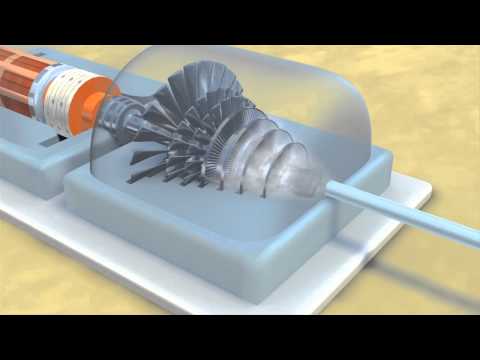
Geothermal Energy

Geothermal energy uses the heat of the earth for heating, cooling and power production. 

Geothermal energy supplies more than 10,000 MW to 24 countries worldwide and now produces enough electricity to meet the needs of 60 million people. It is considered possible to produce up to 8.3% of the total world electricity with geothermal resources, serving 17% of the world population. Thirty nine countries (located mostly in Africa, Central/South America, and the Pacific) can potentially obtain 100% of their electricity from geothermal resources (Dauncey, 2001). Already 24 countries are using geothermal energy source for producing electricity and another 22 countries will add to the list by 2010. 

Classification of geothermal energy 

Broadly, geothermal can be classified into two: Geothermal-based heating/cooling and geothermal based power production. The setup for each of these is quite different and they require different scales of operation as well. 

  • Geothermal based heating and cooling essentially taps the heat of the earth a few hundred meters below the surface by using geothermal pumps. A heat exchanger essentially transfers the heat from below the surface to the point where it is needed. 

In 2005, 72 countries reported using geothermal energy for direct heating, providing more than 16,000 MW of geothermal energy. Geothermal energy is used directly for a variety of purposes, including space heating, snow melting, aquaculture and more. 

  • Geothermal power plants, on the other hand, most times need hot springs and hence can only be located in regions where such geological activity is present. 

Market size and growth 

By mid 2008, worldwide installed capacity of geothermal energy for electricity generation had crossed the 10 GW mark. Worldwide, about 30 GW of direct geothermal heating capacity is installed for district heating, space heating, spas, industrial processes, desalination and agricultural applications. If heat recovered by ground source heat pumps is included, the non-electric use of geothermal energy is estimated at more than 100 GWt (gigawatts of thermal power) and is used commercially in over 70 countries. 

The number of GHPs has steadily increased over the past 10 years. The present worldwide installed capacity is estimated at almost 12,000 MWt (thermal) and the annual energy use is about 72,000 TJ (20,000 GWh). The actual number of installed units is around 1,100,000.

Geothermal energy has shown signs of considerable growth over the last few years. Global geothermal installed capacity (for electricity) has escalated from 7,972 MWe in 2000 to around 9,700 MWe in the year 2007 (generating about 0.3% of global electricity demand) and is expected to reach around 13,600 MWe by 2012, with a CAGR of 7%. 

Technology advancements 

As seen from the chart above, with technology improvement, the total electicity generation potential from geothermal increases 100%. The technology improvements are likely to come primarily from innovative concepts such as enhanced geothermal. 

Until recently, geothermal power systems have only exploited resources where naturally occurring water and rock porosity is sufficient to carry heat to the surface. However, the vast majority of geothermal energy within drilling reach is in dry and non-porous rock. Enhanced Geothermal Systems (EGS) are a new type of geothermal power technologies that do not require natural convective hydrothermal resources. EGS technologies "enhance" and/or create geothermal resources in this hot dry rock (HDR) through hydraulic stimulation. 

With technology advancement, it is estimated that the following countries could meet 100 percent of electricity demand with geothermal energy.

Country

Population

Total Electricity Demand

Estimated Geothermal Capacity Required to Meet Electricity Demand

(Thousands)

(Million Kilowatt-hours)

(Megawatts)


1

Bolivia

9,694

5,040

639

Burundi

8,856

140

18

Comoros Islands

860

20

3

Costa Rica

4,534

8,350

1,059

Djibouti

848

200

25

Dominica

73

80

10

Ecuador

13,481

12,940

1,641

El Salvador

6,953

4,690

595

Ethiopia

85,219

2,860

363

Fiji

844

1,050

133

Grenada

106

150

19

Guadeloupe

448

1,100

140

Guatemala

13,686

7,280

923

Honduras

7,246

5,340

677

Iceland

303

8,530

1,082

Indonesia

234,342

120,330

15,263

Kenya

38,550

5,500

698

Madagascar

20,215

1,050

133

Malawi

14,288

1,400

178

Martinique

400

1,120

142

Montserrat

10

20

3

Mozambique

21,813

13,170

1,670

Nicaragua

5,676

2,720

345

Panama

3,399

5,660

718

Papua New Guinea

6,458

3,700

469

Peru

28,221

24,970

3,167

Philippines

89,651

53,670

6,807

Rwanda

10,009

100

13

Saint Kitts and Nevis

40

130

16

Saint Lucia

167

300

38

Saint Vincent

121

120

15

Solomon Islands

507

60

8

Somalia

8,956

270

34

Sudan

39,445

3,940

500

Tanzania

41,464

1,880

238

Tonga

101

40

5

Uganda

31,903

1,980

251

Vanuatu

232

40

5

Yemen

23,066

4,460

566

Total

772,185

304,400

38,610


1 Assuming a capacity factor of 90 percent, typical of new geothermal power plants.

Government mandates and incentives for geothermal energy 

Currently, geothermal as a renewable energy source is being explored in a significant manner only in a fraction of the total number of countries worldwide, but this number is likely to increase with advanced technologies as Enhanced Geothermal is expanding the range of potential regions that could be sources of geothermal energy. In those countries that have existing proven geothermal resources (such as the USA and Philippines), the governments have released mandates and programmes that show exceptional support for this renewable energy source. This support is in the form of tax breaks, grants, subsidies and more. 

Range of business opportunities 

Manufacturing opportunities exists in heat pumps, components and material production. Opportunities in service sector ranges from exploring geothermal location to installing and maintaining the industry. 

Small Scale Business Opportunities:

  • Consulting and installation for home-based geothermal systems
  • Training people for geothermal heat pump installations.

Medium Scale Business Opportunities: 

  • Setting up medium scale geothermal plants
  • Setting up manufacturing plants for components and accessories for the geothermal energy industry.

Large Scale Business Opportunities: 

  • Setting up large scale geothermal plants. There could be excellent business opportunities for businesses in some of the smaller countries located mostly in Africa, Central/South America, and the Pacific which have a high potential for geothermal but have not exploited it so far.
  • If R&D efforts into domains such as enhanced geothermal system are successful, they could result in many more regions around the world starting to invest in geothermal energy 

Sustainability in long run 

Geothermal is long term survivor. The initial adoption starts to become significant from 2015 onwards. There is also a forecast increase in the roll out in the 2030s as unspecified technology improvements increase the efficiency. 

Related Links: